Buprenorphine, a medication used to treat opioid use disorder, can cause side effects like nausea, constipation, and headaches.
Side effects are more common early in treatment and usually get better with time.
You can manage symptoms by staying hydrated, eating smaller meals, and taking OTC medications like stool softeners and antacids.
Avoid alcohol, benzodiazepines, and other sedatives, which can increase side effects and potential risks.
Most medications come with side effects, and this includes the FDA -approved opioid use disorder medication, buprenorphine. Buprenorphine can be a life-saving part of recovery, helping ease cravings and withdrawal symptoms, but side effects can make this process more challenging. Luckily, symptoms are often worse in the earlier phases of treatment.
"When I first started buprenorphine treatment, the primary side effects I experienced were constipation and decreased sex drive," says Crystal, who is approaching nine years in recovery.
While noticeable and uncomfortable, these side effects weren't deal-breakers. With guidance and support from her doctors, they gradually became more manageable. The stability the medication provided outweighed the temporary discomfort she experienced.
"Overall, buprenorphine has been an important tool in supporting both my recovery and my mental well-being," she says.
As her experience shows, while medications like buprenorphine (sometimes known as “bupe”) can cause side effects, they are often predictable, treatable, and lessen over time as the body adjusts to the medication.
Our program is based on your goals, not our rules.
Whether you want to reduce use or stop altogether, your care team has your back.
So, what are the side effects of buprenorphine? Nausea, headaches, and constipation are some of the most common. It's important to remember that these tend to be mild and usually only affect a relatively small portion of people who take medications like Subutex and Suboxone.
"Starting buprenorphine can feel intimidating, especially because some people worry about precipitated withdrawal," says Patricia Pechter, MD, DABFM, a collaborating physician at Boulder Care. Precipitated withdrawal involves the sudden onset of withdrawal symptoms that can happen if medication is taken too soon after using other opioids.
While that risk can make people hesitate, Dr. Pechter notes that the rewards are worth it. "Many find that once they reach a stable dose, buprenorphine gives them something invaluable: relief from the daily cycle of finding and using opioids just to avoid getting sick," she says.
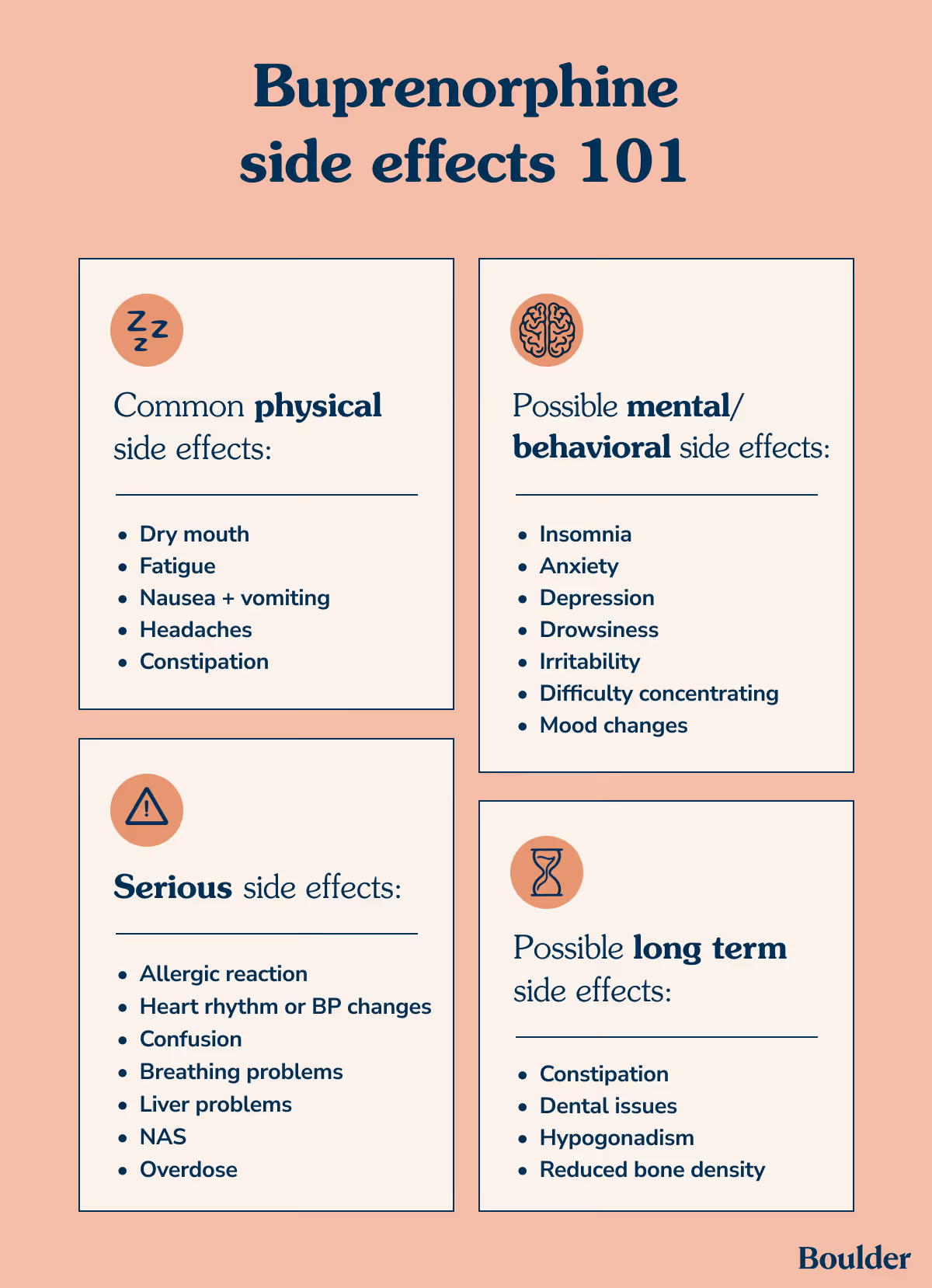
Some of the most common side effects of buprenorphine that you might experience include:
Dry mouth
Fatigue
Nausea
Vomiting
Headaches
Constipation
Difficulty sleeping
Lack of energy
Muscle aches and pains
Increased sweating
Diarrhea
For Crystal, constipation was one of the most significant side effects. "Increasing fiber intake and making small lifestyle adjustments helped, and over time, my body adapted. It still occurs occasionally, but it has become much more manageable as treatment has stabilized," she says.
It’s important to remember that not everyone experiences side effects, and it’s hard to predict who will. According to the FDA's product label for buprenorphine, at least 5% of people in a month-long study reported some of these symptoms.
Mental and behavioral effects of buprenorphine
Mental and behavioral side effects are also common when taking Suboxone and other medications containing buprenorphine. These may include:
Insomnia
Nervousness and anxiety
Depression
Drowsiness
Irritability
Difficulty concentrating
Mood changes
Decreased reaction time
Emotional responsiveness
Some research suggests that buprenorphine reduces responses to negative emotional stimuli, which may actually be helpful for people who also have symptoms of depression and anxiety.
Get the medication you need, and the support you deserve.
We provide FDA-approved medications for alcohol and opioid addiction — and support services to help you stay on track and reach your recovery goals.
Overdose (particularly when combined with alcohol or sedative medications like benzodiazepines)
While not necessarily a side effect, precipitated withdrawal can also happen if you start buprenophine too soon after taking opioids, a phenomenon that Crystal experienced. "That experience reinforced for me how important proper medical guidance and induction protocols are when starting treatment," she explains.
Long-term side effects of buprenorphine
Staying on medication for longer periods may increase the risk of experiencing certain side effects. This often depends on how much buprenorphine you’re taking, with higher doses often leading to more side effects. Some of these can include:
A decreased sex drive was one side effect that Crystal experienced. "That wasn’t entirely negative for me in early recovery. At that stage of my life, I needed time to focus on healing and learning how to build healthy relationships, so in many ways it was a blessing in disguise," she explains.
Now married, she says these changes in libido have persisted to some degree. But with support from her doctor, she's found strategies to help manage it.
While often manageable, concerns about such lasting side effects can lead to worries about taking medication long-term. However, research has shown that staying on buprenorphine for longer periods can have important benefits. One study found that people who stayed on their medication for at least 15 months had a lower risk for:
Hospitalization
Emergency room visits
Prescription opioid use
Despite the potential for more side effects, maintenance doses are the strongest predictor for long-term success. That's why it's important to talk to your provider about the risks and benefits, the dose that's right for you, and strategies that can help you manage side effects when they happen.
Side effects of buprenorphine patches vs. sublingual medication
Another factor that can influence side effects is how the medication is taken. Medication-assisted treatment (MAT) is a highly effective approach to treating opioid use disorder that combines medications with other forms of support. Buprenorphine is one of the most commonly prescribed medications used in MAT.
Buprenorphine is available in different medications and forms, including:
A sublingual tablet or film (Suboxone and Subutex) that dissolves under the tongue or in the cheek, which is used to treat opioid addiction
A transdermal patch (Butrans) that is applied to the skin, which is used to treat chronic pain
Note: This information is for general informational purposes. While transdermal patches may be useful for some patients, Boulder Care does not currently prescribe this formulation.
"Transdermal buprenorphine patches are FDA-approved for chronic pain, not opioid use disorder," Dr. Pechter explains. "Some clinicians prescribe them off-label, and patients sometimes report that the slow, steady delivery over several days makes the transition feel smoother. However, because this use isn’t FDA-approved, there’s limited research on effectiveness and dosing strategies for opioid use disorder."
Both methods deliver the same active drug but may have differences in side effects based on:
How quickly it’s absorbed: For patches, the medication enters the bloodstream through the skin, which is slow and steady. Sublingual films and tablets are absorbed quickly and rapidly reach peak levels in the bloodstream. Because of this, some side effects, such as nausea and dizziness, can be worse with sublingual forms.
The local effects at the administration site: “One notable difference is skin irritation. Patches can cause redness or discomfort at the application site. This side effect doesn’t occur with sublingual formulations,” Dr. Pechter says. To manage this, she suggests rotating the patch placement to help reduce irritation.
Control over the dosing speed: Placement, saliva production, and eating can impact the absorption of sublingual films. Because of this, medication levels can vary, which might lead to more varied side effects. Patches tend to be more consistent, so side effects might fluctuate less.
Some research suggests that buprenorphine patch side effects are generally better tolerated than sublingual forms. Patches also have a lower risk of misuse than sublingual films and tablets because they are harder to modify and release the medication at a slower pace.
How long do buprenorphine side effects last?
Side effects typically start within a few hours to days after your first dose of buprenorphine. How and when these symptoms start vary from person to person, and may last from a few days to a few weeks.
While side effects typically lessen as your body gets used to the medication, they may last longer if you:
Are taking higher doses
Have liver problems
Are sensitivity to the medication
Combine buprenorphine with alcohol or sedatives
You should call your provider if side effects haven't improved within 2 to 3 weeks or if they are severe or getting worse. Seek immediate medical attention if you have trouble breathing, confusion, fainting, or extreme drowsiness.
What causes the side effects of buprenorphine?
There usually isn’t a single factor that causes side effects. Various factors play a part, including:
How the medication is formulated: Some people may be more sensitive to the active ingredient or other inactive ingredients, including naloxone or binding compounds. This can sometimes lead to side effects such as mild allergic reactions, irritation, or headaches.
How buprenorphine works: Some side effects are inherently tied to how buprenorphine works in the body. Its actions on receptors can affect pain, cravings, and digestion. Even when taken as prescribed, this can lead to side effects like nausea, constipation, dizziness, and sweating.
Your unique body: Everyone's body works slightly differently, which influences how the medication is processed and how the body responds. Age, genetics, other medications, metabolism, and overall health influence the side effects a person experiences and how they feel.
How to manage buprenorphine side effects
While side effects can be frustrating, you can usually manage them at home with self-care strategies, precautions, and comfort medications. Even if you are experiencing uncomfortable side effects, it's important to talk to your provider before adjusting or skipping any doses.
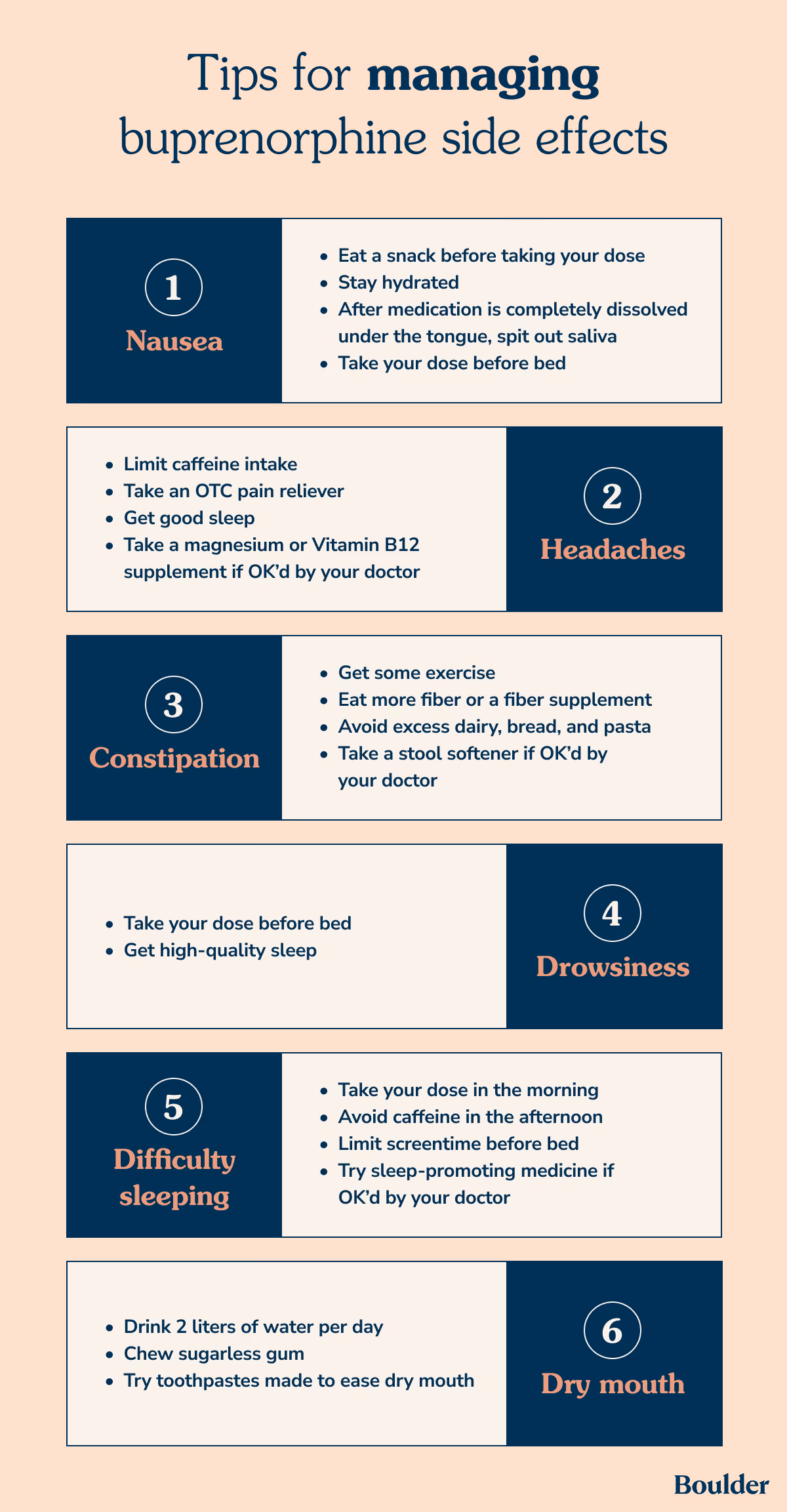
Your provider may also recommend letting your medication dissolve under your tongue, waiting 10 minutes, and then spitting out your saliva. This may prevent some side effects like nausea and headaches while still ensuring you absorb all of your medication.
Nausea
Nausea can be a fairly common side effect at the beginning of treatment. You can lessen it by:
Eating a light snack before taking your medication
Eating smaller, more frequent meals
Drinking plenty of water
Taking your medication before bed
Trying over-the-counter medication to ease nausea
Asking your provider for prescription medicine to treat nausea
Headaches
Buprenorphine can cause headaches because of how it affects the central nervous system. It can feel even worse if you become dehydrated from not drinking enough due to nausea. Strategies that can help you cope with headaches include:
Staying hydrated
Taking an over-the-counter pain reliever like Tylenol (acetaminophen) or Advil (ibuprofen) if you are able to
Limiting your caffeine intake
Getting enough sleep each night
Taking supplements like magnesium or vitamin B2 if recommended by your provider
Constipation
Because buprenorphine can slow down digestion, constipation can be a fairly common side effect. Strategies that can help include:
Walking or engaging in other light physical activity
Staying hydrated
Ensuring adequate fiber intake by eating plenty of fruits, vegetables, and whole grains
Taking a fiber supplement
Avoiding constipating foods like excessive dairy and simple carbohydrates
Taking a stool softener if needed (but avoid excessive laxative use)
Drowsiness
Some people experience drowsiness and fatigue when taking buprenorphine, especially when starting treatment or changing doses. You can help manage this by:
Taking your medication at night
Getting adequate sleep
"Avoiding alcohol or other sedating substances, such as benzodiazepines, can reduce excessive drowsiness and improve safety," Dr. Pechter says.
Difficulty sleeping
For others, buprenorphine increases energy and makes sleep more elusive. If you experience this side effect, strategies that can help include:
Taking your medicine in the morning
Avoiding caffeine in the afternoons
Going to bed and waking up at the same time each day
Avoiding screen time before bed
Talking to your provider about supplements like melatonin or other sleep-promoting medications
Dry mouth
Because sublingual buprenorphine dissolves under the tongue or in the cheek, it can sometimes cause side effects such as dry mouth. Boulder Care suggests:
Drinking at least 2 liters of water each day
Chewing sugarless gum
Trying toothpastes that are specifically made for dry mouth
The FDA also warns that oral buprenorphine can potentially cause dental problems such as cavities, mouth infections, and tooth loss. “Good oral hygiene, including rinsing the mouth with water after the medication dissolves, can reduce dental complications,” Dr. Pechter says.
What to avoid when taking buprenorphine
There are certain things you should avoid while taking buprenorphine to help minimize the risk and severity of side effects. Here’s what to watch for:
Avoid drinking alcohol while taking buprenorphine, which increases the risk of respiratory depression and sedation. This can lead to side effects like drowsiness, dizziness, and difficulty breathing.
Do not take sedatives like benzodiazepines, sleeping pills, or other central nervous depressants. Combining these with buprenorphine can worsen side effects and result in reduced respiration, severe sedation, and overdose.
Do not take other opioids, including prescription painkillers, with buprenorphine. Taking them together can lead to withdrawal symptoms.
Avoid over-the-counter cold medications, which may contain ingredients that can interact with buprenorphine and worsen side effects, including the risk for respiratory depression.
Do not skip doses or stop taking your medication without first talking to your provider. Missing doses can lead to withdrawal symptoms like nausea, irritability, and muscle pain.
Avoid driving, operating heavy machinery, or other activities that require your full alertness and attention until you know how buprenorphine will affect you. Feeling drowsy or dizzy, for example, can increase the risk of accidents.
Don’t accidentally swallow the tablet or film, which can make nausea and vomiting more likely.
Don’t brush your teeth immediately after taking your medication. Wait at least one hour after to minimize the risk of tooth damage and decay.
The bottom line
For Crystal, the early side effects eventually faded, and the medication created a sense of stability. "It simply helps me feel normal and supports my recovery by reducing cravings and allowing me to function consistently in daily life," she explains.
Crystal's experience reflects what many people find: while some initial discomfort can happen, these side effects improve over time with the right care and guidance. At Boulder Care, you can schedule virtual appointments with experienced providers and get personalized guidance on managing any buprenorphine side effects you might experience.
"With support and small adjustments, many side effects are manageable and often temporary, whereas the benefits of achieving stability from effective treatment can be long-lasting," says Dr. Pechter.
If you are wondering if buprenorphine might be right for you, you can download the Boulder Care app or call 888-422-6530 to talk to a team member.
Frequently Asked Questions
Who should not use buprenorphine?
Buprenorphine is generally safe and well-tolerated for most people. People with certain conditions, including asthma, sleep apnea, epilepsy, heart arrhythmia, or low blood pressure, should talk with a health care provider before starting buprenorphine. You should also not take this medication if you are allergic to buprenorphine.
What are the buprenorphine side effects for the elderly?
Common side effects in older adults include dizziness, sleepiness, muscle pain, and confusion. They may be more sensitive to buprenorphine because it can take longer for medications to be cleared from the body due to age-related changes in metabolism, liver function, and interactions with other medications they are taking.
They are also at greater risk of changes in blood pressure when standing, as well as dizziness and lightheadedness, which increase the risk of falls and injuries. It's important to work closely with your provider to monitor side effects and make adjustments as needed.
Does buprenorphine cause worse side effects for pregnant people?
Side effects for pregnant people are similar to those of non-pregnant people, such as nausea, headaches, and constipation.
Evidence suggests buprenorphine is safe during pregnancy and leads to better outcomes for mothers and infants. It’s linked to lower rates of neonatal abstinence syndrome, where infants experience opioid withdrawal following birth, as well as a lower risk for preterm birth and greater birth weight.
On-demand, online addiction care from home — on your terms.
Access our care team directly through an app on your phone.
At Boulder Care, we’re committed to providing clear, evidence-based information about opioid and alcohol use disorder recovery. Learn more about our editorial standards and medical review process.