

Table of Contents
Published:
February 27, 2026
|
Last Updated:
September 23, 2026
You've got people now.


If you’ve started taking, or are considering taking, medication for opioid use disorder, it’s a great first step toward recovery. That said, concerns about side effects are real and worth understanding. One of the most commonly prescribed Food and Drug Administration (FDA) approved forms of buprenorphine is Suboxone.
While there are some serious negative health developments to look out for while taking Suboxone, most of the side effects occur while your body is adapting to the treatment. Being aware of what side effects might occur, and knowing how to minimize them can greatly improve your experience taking OUD medication.
“I wish people knew that side effects don’t automatically mean the medication is ‘wrong’ or that something is failing,” says Danielle Bellosi, a peer recovery supervisor at Boulder Care. “Often, they’re signals that the body is still adjusting or that a person may need additional support.”
So what are the side effects of Suboxone? We’ve got you covered with everything you need to know about what you might feel while taking Suboxone, from what serious side effects look like to how you can minimize adverse outcomes. Plus, we break down how to distinguish between Suboxone side effects and opioid withdrawal symptoms.
Suboxone is an FDA-approved gold-standard prescription medication used to treat opioid use disorder. It’s available as a dissolvable film strip that goes under the tongue or inside the cheek.
The buprenorphine-naloxone combination medicine “works by binding to the same receptors in the brain that opioids like heroin or fentanyl target, reducing cravings and withdrawal symptoms without producing the same euphoric effects,” says addiction medicine physician Dr. Ayesha Appa.
Suboxone is usually taken once a day after you have already begun experiencing mild to moderate opioid withdrawal symptoms. Medical professionals will typically adjust your dose over the first days or weeks to control these symptoms.
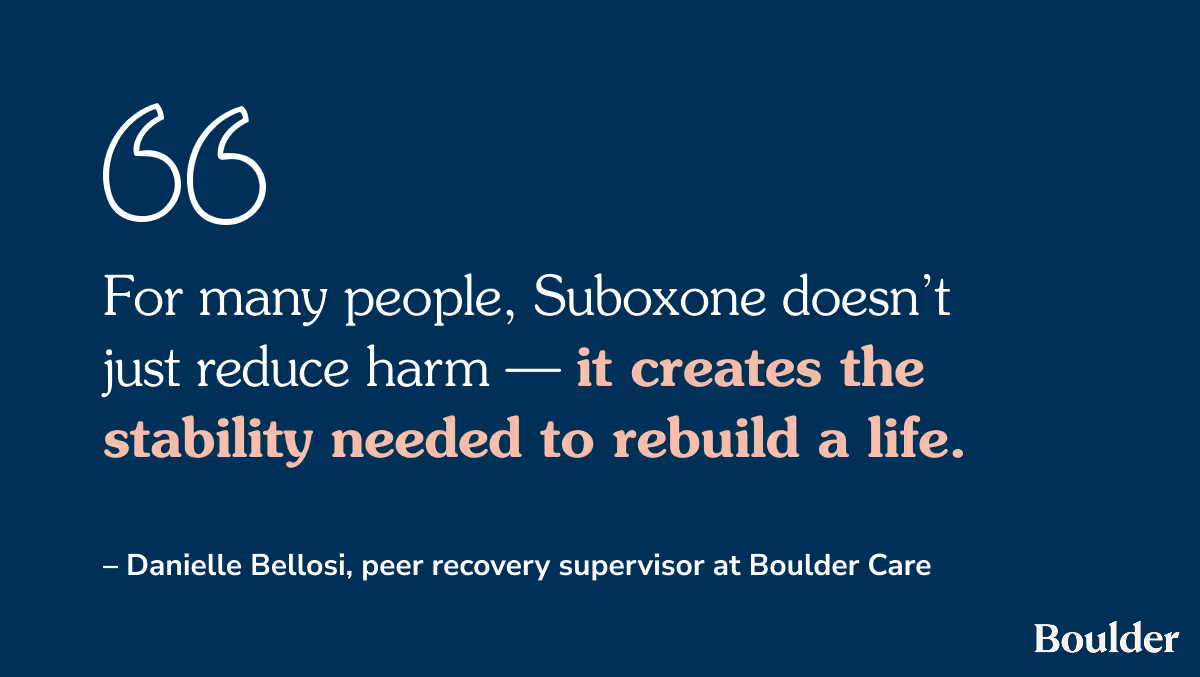
Each person’s experience taking Suboxone will be different, including the length. As Dr. Appa explains, “There's no set timeline for how long someone stays on it — for many people, longer-term treatment leads to better outcomes, and the decision to taper is always made collaboratively with a prescriber.”
Taking Suboxone can be a significant part of opioid use disorder treatment and allow you to live a happy and healthy life.
According to Dr. Appa, “It helps to think about three distinct categories of experiences someone might have when starting Suboxone: expected effects, side effects, and true allergic reactions.
Expected effects are things nearly everyone will notice. The medication has a distinct bitter or minty taste as it dissolves under the tongue — that's normal.” Then there are the common and serious side effects of Suboxone strips and tablets. Seek immediate medical help or call 911 if you are experiencing any serious side effects like trouble breathing or blurred vision.
When starting Suboxone treatment, there's a good chance you'll experience some of these common side effects. These symptoms will typically decrease as your body adjusts to the medication, and come without the risk of permanent damage, hospitalization, life-threatening conditions, or death
Common side effects of Suboxone include:
Each person’s experience is different. When Bellosi took Suboxone, she only experienced an upset stomach every so often. “For many people, side effects lessen significantly once dosing is stabilized and the body has time to adjust,” she explains.
However, if you’re having difficulty with a side effect, even a common one, tell your doctor. “The line between expected discomfort and something that needs attention isn't always obvious, especially in the early days of treatment,” says Dr. Appa. “If something feels wrong, reach out to your prescriber or care team—there's truly no threshold too low for that call.”
Now let’s get into the big question: What are the worst side effects of Suboxone?
Serious side effects of Suboxone include:
In the case of liver problems, symptoms might manifest in a few ways, including:
Call 911 or your medical provider right away if you experience any of these symptoms.
“In infrequent cases, more persistent symptoms may signal unexpected absorption of naloxone,” says Dr. Appa. This development is unlikely, but can occur if the medication is correctly taken.
Critically, there’s no way of knowing how Suboxone will impact you the first time you take it. If possible, have a trusted friend or family member stay with you for an hour after that initial dose.
An allergic reaction to Suboxone can occur, but it is rare. However, knowing their signs is critical for getting help if they occur. An allergic reaction to Suboxone can cause symptoms such as:
Get medical help immediately if you experience any of these symptoms while taking Suboxone.
“Sometimes a rash might appear later,” says Dr. Winer. Contact your provider if this happens, as it could be a sign of an allergic reaction to the medication.
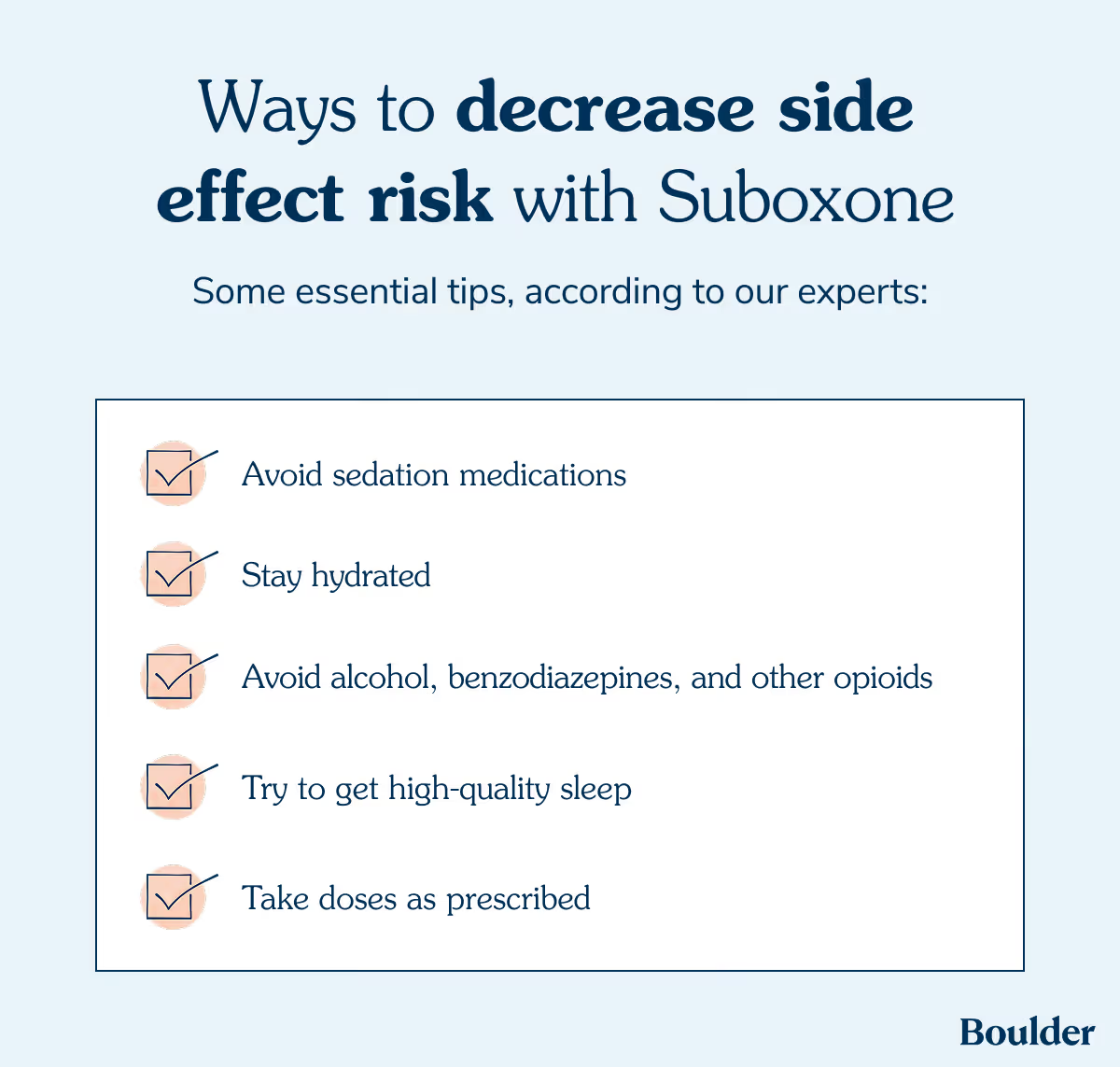
Understanding what causes certain Suboxone side effects can help you prevent and manage them. On the whole, Bellosi found that things such as staying hydrated, eating regularly, and taking her medication at the same time every day helped reduce side effects. Below are a few key side effects, their triggers, and tips for coping with them.
Nausea is a common side effect of Suboxone. “To help with an upset stomach or nausea, try eating or drinking something 30 to 60 minutes before your dose,” says Dr. Winer. “ Rinse your mouth out before taking your medicine, but make sure you haven't eaten or swallowed anything 15 to 30 minutes right before the Buprenorphine goes under your tongue.”
As with every side effect, you should mention experiencing nausea to your medical provider. In some instances, nausea might stem from precipitated withdrawal—if there are still opioids in your system—or as a sign of liver problems.
Taking Suboxone can increase your risk of low blood pressure. You might experience it and dizziness if you quickly stand up after sitting or lying down.
A rash could occur anywhere between 15 minutes and weeks after taking your initial doses, says Dr. Winer. This side effect could indicate an allergic reaction to Suboxone — especially if it’s accompanied by hives or itching. Tell your medical provider immediately if you experience a rash.
Taking Suboxone at the same time as alcohol, benzodiazepines, other opioid medications, or central nervous system depressants can cause you to have trouble breathing. This side effect can be life-threatening, and you should call 911 and contact your medical professional immediately if experiencing it.
There are a number of things that can increase your risk of Suboxone side effects. Tell your medical provider if you have any of the following conditions before beginning the medication:
Additionally, drinking alcohol or ingesting any other medicines containing alcohol while taking Suboxone can have potentially life-threatening effects.
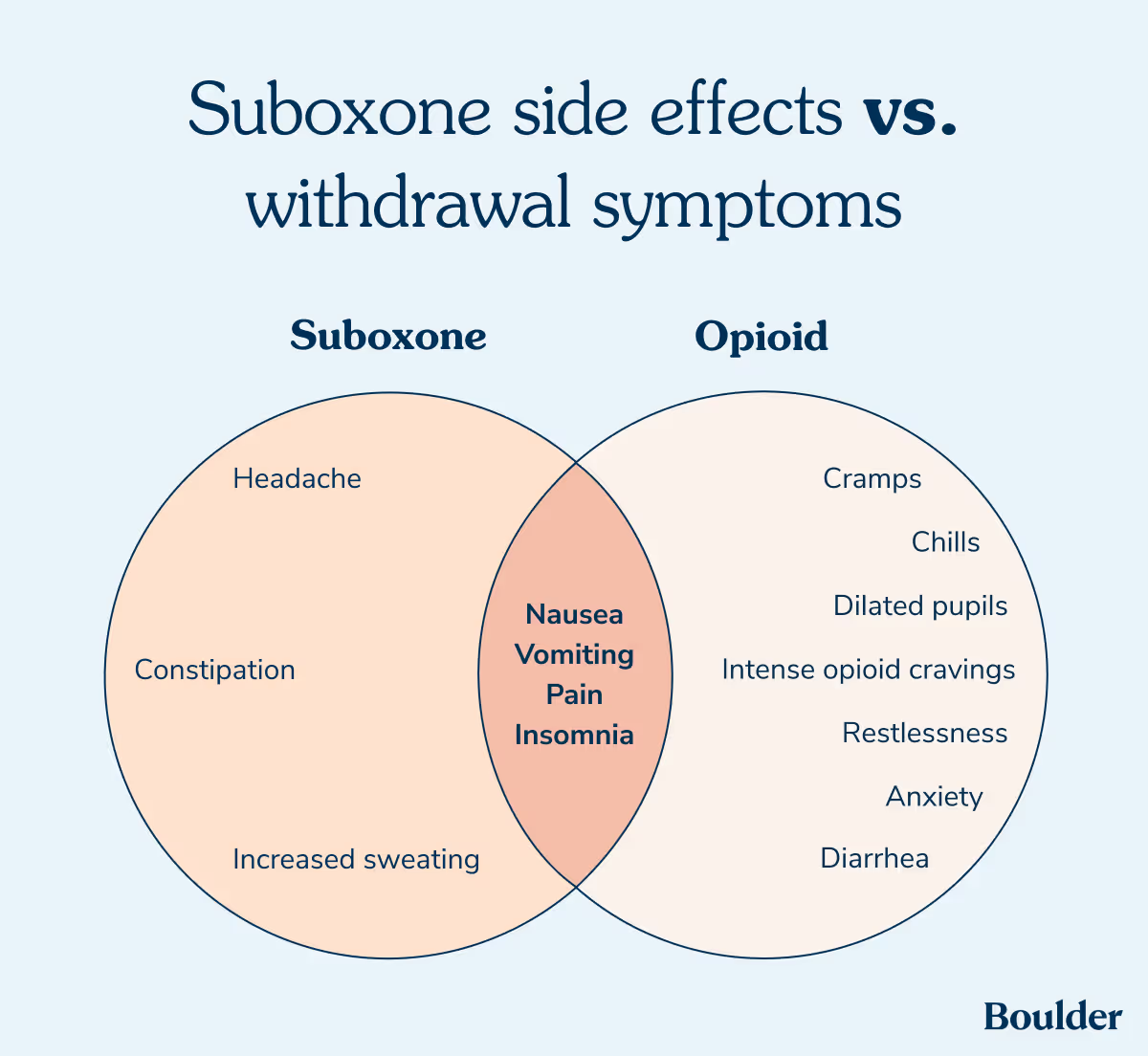
Frustratingly, sometimes suboxone side effects and opioid withdrawal symptoms can look very similar.
The problem stems, in part, from the overlap in opioid withdrawal symptoms and Suboxone’s side effects. Dr. Winer explains, “Both can cause increased anxiety, nausea, sweating, and feeling ‘off.’” However, opioid withdrawal symptoms also include things such as whole-body pain, chills, dilated pupils, and, of course, intense opioid cravings.
“The overlap is real and can be confusing — which is exactly why open communication with your care team throughout the process is so important,” says Dr. Appa.
To make matters even more confusing, you might also experience precipitated withdrawal when first taking Suboxone. According to Dr. Winer, precipitated withdrawal occurs by “taking buprenorphine too early while other opioids are in your system.”
Dr. Winer continues: “If you feel much worse — intense anxiety, goosebumps, diarrhea, or nausea — within 30 to 60 minutes of your dose, the medication likely pushed other opioids off your receptors too fast.”
Dr. Appa compares precipitated withdrawal to “going from a warm bath into cool water, except the shift happens instantly and the body experiences it as a shock.”
In comparison, regular withdrawal symptoms will typically happen before you take Suboxone. Your medical provider might need to increase your Suboxone dosage if these symptoms persist after you take it.
Bellosi stresses that you shouldn’t stop Suboxone suddenly, as it can lead to symptoms similar to those experienced with opioid withdrawal. Instead, a medical professional should help you taper the medication for a comfortable ending.
Every experience with Suboxone is unique, including which side effects occur and for how long. For instance, Bellosi only experienced noticeable long-term side effects when she came off Suboxone — something she attributes, in part, to tapering off the medication too quickly.
There’s a chance you will experience long-term side effects of Suboxone, like nausea or withdrawal symptoms. The latter can sometimes occur if you stop taking Suboxone too quickly, something a medical provider can help prevent, says Bellosi.
Critically, your medical team can help you manage any long-term side effects. “Suboxone isn’t going to feel the same for everyone, and side effects can look different from one person to the next,” says Bellosi. “That variability is expected, and it’s okay. What matters is having a team of professionals who work closely with you to make sure you have what you need along the way.
MAT is a powerful recovery tool that can disrupt the cycles of addiction in OUD and AUD. Disrupting these cycles provides stability. And stability offers you or a loved one a better foundation for recovery.
“Recovery should not be one-size-fits-all, and medication should never be a source of shame,” Campbell says.
“The right thing is for treatment to be easy to start and easy to stay with,” Dr. Martin says. “Treatment programs must make this an absolute priority.”
Boulder Care offers online MAT and other elements of a customized and comprehensive recovery plan. This includes clinician support and peer support from providers who have lived experience with OUD and AUD. To reduce barriers to care, Boulder operates virtually, via telehealth.
Campbell reflects on her recovery journey and expresses gratitude for low-barrier access to MAT.
“Today, my life looks completely different,” she says. “I own a home. I’m married. I have relationships with all of my children. I’m a grandmother, with another grandbaby on the way. I have pets, hobbies, and a career.”
If you're curious about whether Suboxone could be a good fit, call 888-422-6530 to speak with a Boulder Care team member and learn more about getting started.
There’s no set amount of time that a person should take Suboxone. The length is completely dependent on their experience and discussions with a medical professional. However, most people will require long-term treatment and it has the potential to be indefinite. When a person does decide to stop taking Suboxone, a very slow tapering process should be done under the care of a medical professional.
There are a few things that are critical for your medical team to know before they give you Suboxone. The most important is what your current opioid use looks like. This information is necessary for your provider to understand your tolerance levels and choose an accurate dosage.
A person should stop taking Suboxone under the guidance of their provider. The experience of ending the medication is going to be different for everyone. However, there is a risk of experiencing additional side effects or withdrawal symptoms if a person stops taking Suboxone immediately or doesn’t taper off slowly enough.
At Boulder Care, we’re committed to providing clear, evidence-based information about opioid and alcohol use disorder recovery. Learn more about our editorial standards and medical review process.

Our mission is to improve the lives of people with substance use disorders. We provide medication, resources, and support to help our patients succeed on their own terms, wherever they are.
Now covered by Medicaid in Oregon and Washington – Schedule an online visit.