Naltrexone can be an incredible tool for anyone living with opioid or alcohol use disorder, because it helps minimize cravings for these substances and reduces the pleasurable sensations they typically bring. The medication is currently FDA-approved for treating both conditions and can be a critical part of any addiction care plan.
However, like all medications, naltrexone can cause side effects. Just the idea of that can be stressful, especially if you’re already navigating a challenging withdrawal period. The good news is, most of the side effects from naltrexone are manageable, and typically go away as the body adjusts to the medication. If they ever feel too intense your provider will work with you on ways to minimze their impact.
Knowing all the facts about your MOUD or MAUD medication is an essential part of care, and this article will break down everything you need to know about naltrexone side effects.
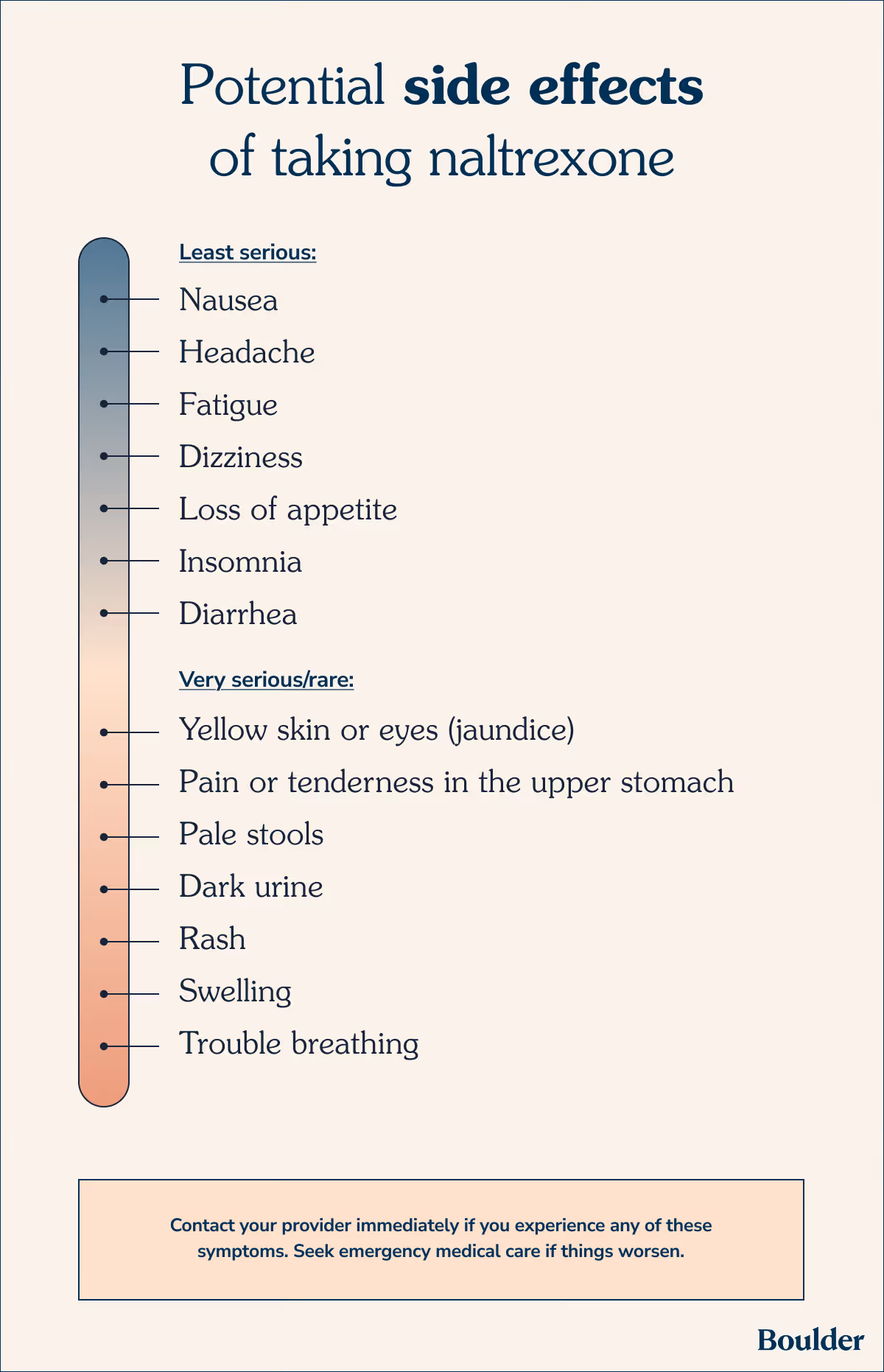
The most common side effects of naltrexone include:
“Opioid receptors are widely distributed in the gut—motility, secretion—and brain—mood, sleep, appetite regulation,” says addiction medicine physician Dr. Ayesha Appa. “Most of naltrexone's side effects are thought to stem from that opioid receptor blockade, though the exact mechanisms aren't fully established.”
As you take naltrexone, keep in mind that some of its side effects will overlap with alcohol and opioid withdrawal symptoms, such as nausea, anxiety, and vomiting. Your provider should be able to help you distinguish between them.

Most of naltrexone’s side effects are temporary and will improve as your body adjusts to the medication. Some side effects may take more time or support to manage. Naltrexone can cause serious side effects, such as allergic reactions and liver problems. Below we break down what you need to know about each side effect.
Serious — contact a provider right away
What to watch for: Watch for pale stools, dark urine, loss of appetite, nausea, unusual tiredness or weakness, yellow skin or eyes (jaundice), or pain or tenderness in the upper stomach.
Why it matters: Naltrexone is metabolized by the liver and in rare cases can cause liver issues. “Liver disease warrants attention, as naltrexone is hepatically metabolized and can be hepatotoxic at high doses, though this is much less of a concern at standard therapeutic doses — 50mg oral or 380mg IM monthly,” says Dr. Appa.
What to do: Contact your provider immediately if you experience any of these symptoms. Seek emergency medical care if things worsen.
Serious — contact a provider right away
What to watch for: Watch for feelings agitation, depression, and suicidal thoughts or tendencies.
Why it matters: It is very rare, but naltrexone can cause poor mental health symptoms, which can be detrimental or even dangerous when ignored.
What to do: Tell your healthcare provider immediately if you’re experiencing any sudden or more pronounced negative feelings.
Crisis lines to contact for immediate support
National Suicide and Crisis Lifeline: Call or message 988.
Crisis Text Line: Text HOME to 741741.
Samaritans USA: Call 1 (800) 273-TALK or 1 (800) 273-8255.
Emergency — seek immediate care
What to watch for: Watch for skin rash, itching, hives, and face or mouth swelling.
Why it matters: Some people discover they are allergic to naltrexone and can have a serious allergic reaction. An allergic reaction is typically different from a reaction at the injection site.
What to do: Seek emergency medical care for any severe allergy. Otherwise, contact your provider as soon as possible.
Naltrexone typically brings a similar experience if you take it as a pill or an injection. Naltrexone injection side effects typically overlap with the pill’s side effects, but there are a few differences to keep in mind.
Oral naltrexone (daily pill)
Injectable naltrexone (monthly shot)
There’s no “right” answer when it comes to which type of naltrexone you should take. Some people prefer how flexible the daily pill is, allowing their provider to adjust their dose or stop the medication if they experience a challenging side effect.
The pill’s flexibility during initial doses might ease side effects. “The risks of side effects can be reduced by starting at a low dose and increasing slowly with the help of your prescriber to a therapeutic dose, which is 50mg daily for opioid and alcohol use disorders, though there is some evidence for use of higher doses in people with persistent cravings on 50mg daily,” says Dr. Ilana Hull, MD, a collaborating physician at Boulder Care.
Other people want the ease of a monthly injection, not having to think about taking the medication each day. “For injectable naltrexone, rotating injection sites and monitoring for injection-site reactions reduces local complications,” explains Dr. Appa. Your provider can help you decide what could work best for you and support you in managing side effects along the way.
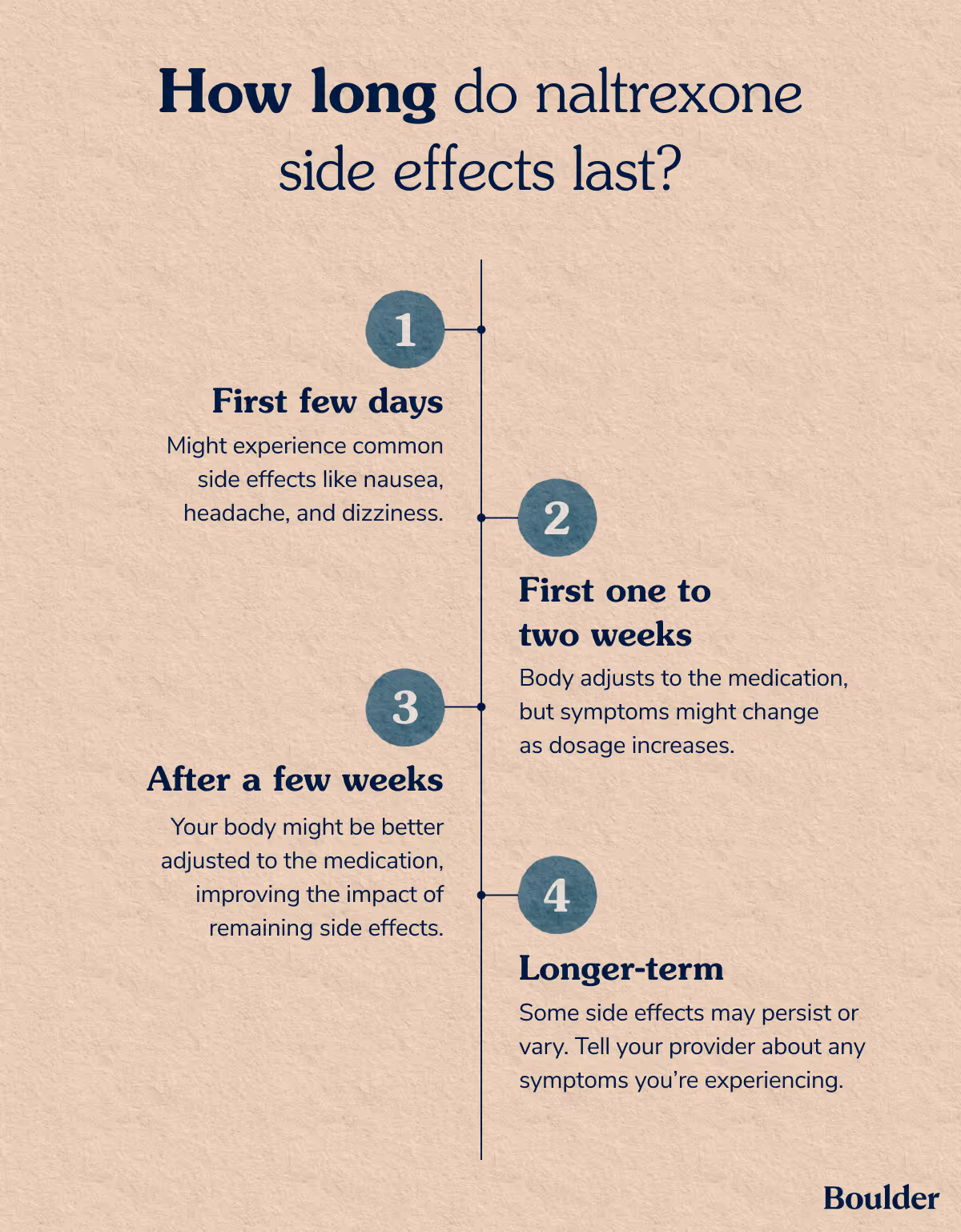
Your experience with side effects should improve as your body adjusts to naltrexone. “Most side effects from naltrexone improve quickly in a few days to a few weeks though sometimes headaches are persistent,” says Dr. Hull. Each person’s experience is different, but here’s a general idea of how long side effects last.
“For standard-dose naltrexone, most gastrointestinal symptoms— nausea, decreased appetite, abdominal discomfort—tend to resolve within two to four weeks as the body adjusts,” adds Dr. Appa. “Fatigue and sleep disturbances are also common early on and generally improve. Mood-related side effects can be more variable.”

Just because you know naltrexone can bring side effects, that doesn’t mean you have to tough them out. There are ways to reduce the impact of side effects.
Speak with your provider about any experiences you’re having, whether it’s a common side effect like a headache or more serious like mood changes. They are there to support you and should never minimize how you’re feeling. They might be able to adjust your dose or provide tailored ideas for minimizing your side effects.
Nausea
Headaches
Fatigue
Dizziness
Itchiness
Depression
Like any medication, naltrexone might cause side effects. Understanding potential side effects of naltrexone can help prepare you for alcohol or opioid use disorder treatment and decide if naltrexone is right for you.
This knowledge might also support your progress. “Setting expectations matters—patients who know that nausea, fatigue, or low mood may occur in the first one to two weeks are much less likely to discontinue prematurely,” says Dr. Appa.
Our team at Boulder Care wants to ensure you feel supported as you navigate treatment for opioid and alcohol use disorder. We can help you manage naltrexone symptoms and find the right treatment plan for you. Call 888-422-6530 to get started.
Return to use of opioids can be dangerous when taking naltrexone. The medication — along with any break you’ve taken—can decrease your sensitivity to opioids while also reducing your tolerance. This combination can be dangerous if you try to override your limited sensitivity to opioids, potentially causing an overdose.
If you return to using opioids after taking naltrexone, your body will not be used to them like before. This means your risk of overdose is much higher. If you do use opioids, start with a much smaller amount to help lower that risk.
There isn’t any indication that you shouldn’t drink alcohol while taking naltrexone. The medication should limit the effect alcohol has on you and, ideally, reduce your craving for it. Naltrexone won’t stop you from becoming inebriated while drinking alcohol.
Most side effects of naltrexone are the same whether you take it as a daily pill or as a monthly injection. There are two major differences, starting with the pill’s added flexibility. If you experience a side effect while taking the pill then your provider can more easily adjust your dose. Then there’s a notable side effect for the monthly option: tenderness, itchiness, and other irritations around the injection site.
Some people might prefer the daily pill’s flexibility, while other people might find comfort in only having to get the injection once a month. Each experience taking naltrexone is different and a provider can help you choose the best option for you.
Poor mental health, such as feeling agitated, anxious, and depressed are all potential side effects of naltrexone. Anxiety is a more common side effect, while depression and suicidal thoughts or tendencies are rarer. Tell your provider immediately if you experience any changes in your mood.
At Boulder Care, we’re committed to providing clear, evidence-based information about opioid and alcohol use disorder recovery. Learn more about our editorial standards and medical review process.