Prescription medications treat many chronic conditions, improve lives, and even save them. Opioid use disorder (OUD) is no different.
“Opioid use disorder is not a failure of willpower,” says Shannon Boustead, MD, a family physician and MOUD specialist at Boulder Care. “It is a medical condition that changes how the brain works.”
When taking medications for any condition, choices matter. Sometimes, daily pills or tablets fit your lifestyle better. Other times, a once-a-month injectable makes more sense. If you have OUD, the Sublocade shot might be the right choice for you (or a loved one).
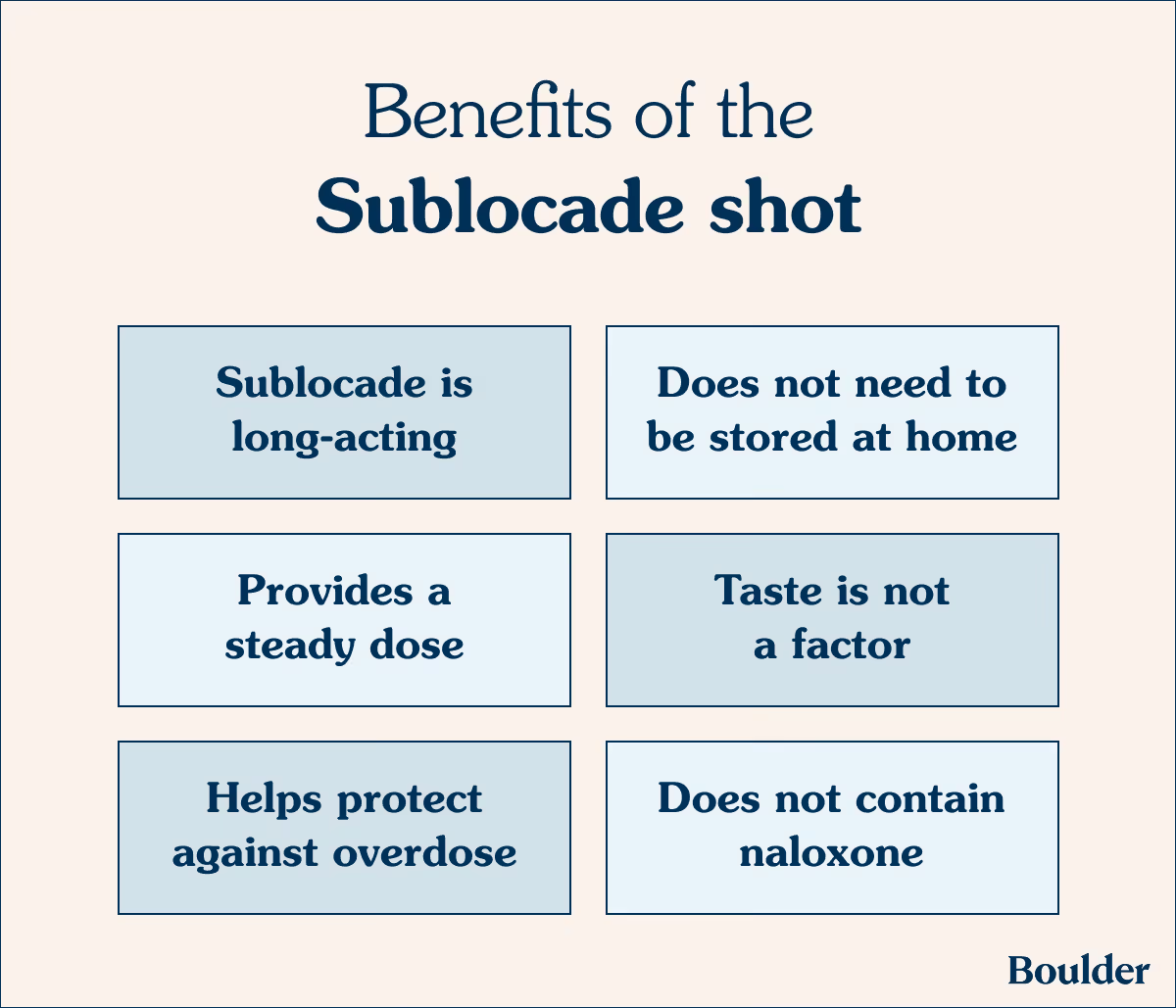
The Sublocade shot is an option for long-acting injectable buprenorphine (LAIB) that you take once a month. It must be administered by a health care professional. Buprenorphine is a medication used to treat opioid use disorder. It helps reduce cravings and withdrawal symptoms. It can also reduce the risk of death from opioid overdose. It can be a lifesaving medication while aiding recovery.
“Medications like Sublocade are not shortcuts,” Dr. Boustead says. “They are evidence-based tools that give people the stability they need to heal. The goal isn’t perfection. It’s safety, dignity, and a real chance at recovery.”
In this article, we explore what the Sublocade shot is, Sublocade shot side effects, Sublocade withdrawal, Sublocade shot cost, and more.
The Food and Drug Administration (FDA) has approved Sublocade for treating moderate to severe OUD in adults.
“Sublocade is a once-monthly injectable form of buprenorphine, one of the most effective medications for opioid use disorder,” Dr. Boustead says.
Research shows that patients treated with a long-acting injectable buprenorphine had, on average, higher abstinence rates (about 40%) from illicit opioid use. Examples of illicit opioids include heroin or fentanyl.
In comparison, study participants who took a placebo had an average abstinence rate of 5%. A placebo is an inactive medication.
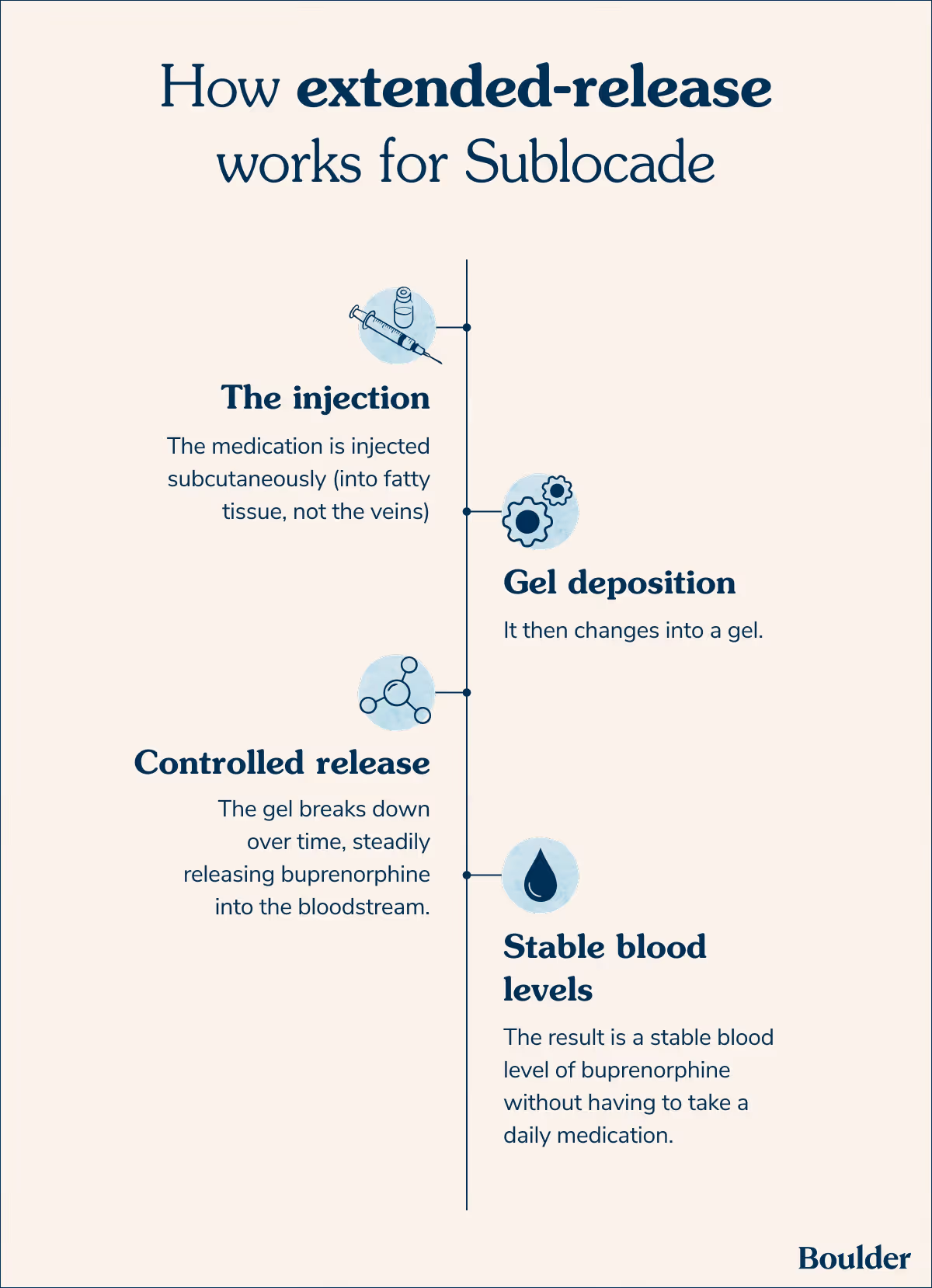
“Instead of taking a daily tablet or film under the tongue,” Dr. Boustead adds, “Sublocade is given as a monthly injection. The medication is slowly released over time, creating steady levels in the body.”
Sublocade must be administered by a doctor, nurse practitioner, pharmacist, or nurse. Injections used to only occur in clinics or hospitals, but now selected pharmacies can also do the injections.
In some cases, you may even be able to receive an injection at home. In this case, a traveling healthcare professional would perform the injection.
According to Dr. Boustead, Sublocade stabilizes opioid receptors in the brain, just like other forms of buprenorphine. It reduces cravings, prevents withdrawal, and lowers the risk of overdose and death.
Sublocade is different because of how the medication is taken—It's a shot and not a pill or film.

When considering which form of buprenorphine, or of another medication, is right for you, you and your provider can weigh the pros and cons. This discussion process with your clinician is called shared decision- making. It’s an important part of treatment for OUD.
“There are many reasons patients might choose to initiate LAIB or not,” says Ilana Hull, MD, MSc, FASM, a collaborating physician with Boulder Care.
“When I am talking to a patient about what form of buprenorphine they would like to use, we review their values and goals, review risks and benefits.” Dr. Hull shares some of the benefits of Sublocade below.

The only medication in the Sublocade shot is buprenorphine. Buprenorphine is a partial opioid agonist. An agonist is a substance that activates receptors in the body.
The receptors in the body and brain that buprenorphine activates are called mu-opioid receptors (MOR). These receptors affect pain, comfort, and mood. Buprenorphine partially activates these receptors—just enough to reduce withdrawal and cravings. Because buprenorphine only partially activates MOR, it does not cause a rush or sedate you like other opioids.
Buprenorphine benefits:
“These medications save lives,” Dr. Boustead says. “Buprenorphine in all its forms—daily or monthly—dramatically reduces overdose risk. It helps people stay engaged in care. It helps families stay intact. It helps people survive long enough to rebuild.”
He adds, “Treatment doesn’t look the same for everyone. Some people do well on daily medication. Some prefer a monthly injection. Some may transition between options over time.”
Most medications have a list of potential side effects, and Sublocade is no different. However, just because you take Sublocade doesn’t mean you will experience these symptoms.
Common side effects of Sublocade:
If you experience any of the below side effects, talk to your prescribing clinician. They can help figure out ways to lessen side effects or even switch your medication if necessary.
Serious side effects of Sublocade:
If you experience any of the above side effects, seek medical attention right away. If necessary, Sublocade can be surgically removed by a healthcare professional in an emergency.
Since the extended-release function of Sublocade helps maintain a steady level of buprenorphine in the bloodstream, you should not experience withdrawal from month to month while taking the medication.
However, if you or a loved one stops taking Sublocade altogether, withdrawal symptoms may occur. Typically, these withdrawal symptoms are less severe than what you’d experience stopping an opioid that is a full agonist, such as heroin or fentanyl.
Withdrawal symptoms will also likely have a more gradual onset, rather than all at once. This is because Sublocade takes a while to leave your system, about 10 to 12 months or longer. However, therapeutic levels drop about two to five months after you stop taking it. So you might notice some withdrawal symptoms around this point.
If you decide to discontinue Sublocade, be sure to talk through this milder withdrawal process with your clinician. They can provide strategies for helping to lessen potential symptoms.
The short answer is no. Buprenorphine, the active ingredient in Sublocade, is also an OUD medication sold under the brand name Suboxone.
However, Suboxone also contains naloxone. Naloxone is included to discourage injection misuse and ensure the medication is taken as intended.
This precaution isn’t necessary with Sublocade. “Sublocade does not include naloxone because it’s already delivered as a controlled injection in a medical setting,” Dr. Boustead explains. “There’s no take-home product to misuse in that way, so naloxone isn’t needed in the formulation.”
You’re not alone if the names for medications for opioid use disorder and what they do get a bit confusing. They’re both injectable medications, but Sublocade contains buprenorphine, while Vivitrol contains naltrexone.
Buprenorphine is a partial opioid agonist, but naltrexone is an opioid antagonist. This means the medication blocks opioid receptors, preventing you from feeling the effects of the opioids.
Brixadi is also a long-acting injectable buprenorphine. However, Brixadi differs slightly. It allows patients the option of either weekly or monthly injections. The dosage differs for each option. Sublocade is only injected once a month, however.

Pricing for Sublocade varies depending on health insurance status and plan type. According to the Sublocade website, here are the cost ranges:
The Sublocade shot is an extended-release injectable buprenorphine option used to treat opioid use disorder. It is injected once a month by a health care provider.
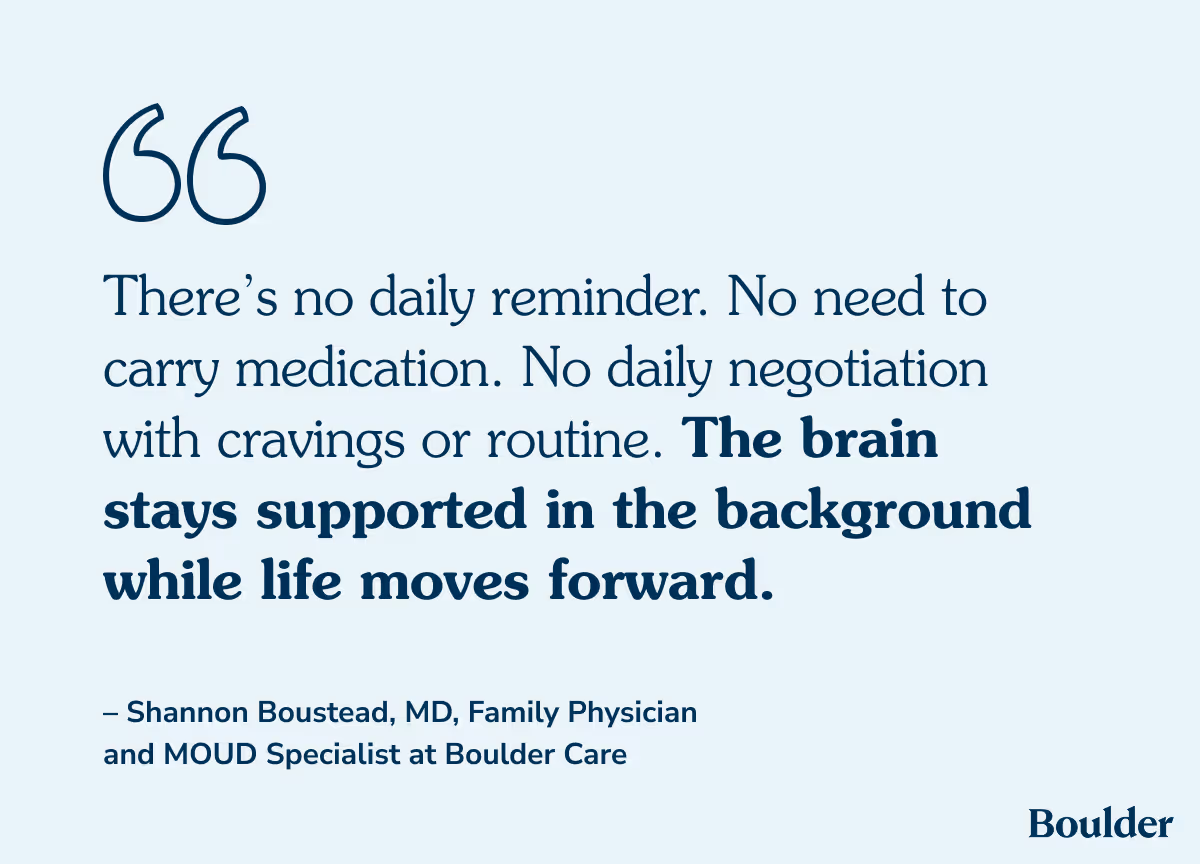
“For some people, that stability can feel freeing,” Dr. Boustead says. “There’s no daily reminder. No need to carry medication. No daily negotiation with cravings or routine. The brain stays supported in the background while life moves forward.”
If you’re wondering where you can get the Sublocade shot, Boulder Care offers MOUD and other elements of a customized and comprehensive recovery plan.
Elements include clinician support and peer support from providers who have lived experiences with OUD. To reduce barriers to care, Boulder operates virtually, via telehealth (866-901-4860).
However, you or a loved one would need to visit a clinician who partners with Boulder Care to receive your Sublocade shot.
In general, you shouldn’t experience withdrawal while on Sublocade. The Sublocade shot provides a steady release of the medication buprenorphine into your bloodstream.
How long you take Sublocade is an individual decision, one you should make under the guidance of your prescribing clinician. You may wish to stay on Sublocade long-term.
Yes, you can switch from Suboxone to Sublocade with the help of your prescribing clinician.
At Boulder Care, we’re committed to providing clear, evidence-based information about opioid and alcohol use disorder recovery. Learn more about our editorial standards and medical review process.